Sunday, 25 October 2015
R32 - Camera Work - Understanding Exposure
Could be understand through using the example of filling up a cup with water. The cup represents your image and the water represents light. There are different ways of filling the cup up. You could turn the tap all the way so that it gushes into the cup or you can barely crack the tap so the water dribbles in and it takes a much longer time to fill up.
This describes the relationship between aperture and shutter speed. If you open your aperture all the way wide, light streams into your camera and fills up your image quickly giving you a short shutter. Changing your aperture smaller and it takes a while for that light to fill up the image resulting in a long shutter speed.
However, over filling your cup or over exposing your image means there is too much light let in for too long. On the other hand, you can also under fill your cup, which means that little light is let in to your image leaving it under exposed.

Friday, 23 October 2015
R31 - Camera Work - Shutter speed
It is often thought that when you click an image the image is taken at that click but what actually happens is when you take an image and when you press the button the shutter opens and light streams in and sometime later the shutter closes. What's different about the shutter speed is the amount of time the shutters open.
The longer your shutter speed the more the camera gets to move around and capture your motions whereas the shorter the shutter speed the less time the camera gets to move around making not much difference to your images as you move.
Overall, from this video I have learnt that shutter speed is used to control how much motion is captured in your photos. Also shutter speed is also used to add emotion to a photo. The less motion there is, the more tension in drama the photo has.
So a short shutter speed is used to capture the detail, tension, drama and power. Conversely, the more motion you have in an image the softer, more peaceful and serene an image is.
Using a tripod is better to take your image because if you use your hands you will add your own blur to the image.
Tuesday, 20 October 2015
R30 - Camera Work - White Balance
White balance - what we perceive as colour is actually light of a specific wavelength entering our eyes. The colour white reflects all wavelength of light so if you shine purple light on a white sheet of paper it'll look purple and same with other colours. This is important because in different conditions and lighting situations different colours of light dominate. For example shady light is a little bit blue, whereas sunny light has a yellow tint and indoor incandescent is orange.
Which is why a white piece of paper, for example, in those conditions would look either blue, yellow or orange.
A camera can only record the actual wavelengths of light hitting its sensor
White balance is how your camera compensates for those small colour shifts
If you're in a shady/ blue lighting by changing the setting to shady which adds warmth and amber tones which gets rid of the blueness.
If you're in a sunny area the camera will add blue shady tones to it so that the white stays white.
Sometimes you may want to emphasise certain colours in your image over other colours. So you can change your camera settings to certain white balances to alter and manipulate your image to make it look better. For example if you're shooting an image of glacier as mentioned in the video then adding blue tones helps to bring out the image more.
Tip: changing white balance in the field while shooting rather than changing it later is better because when you change the colours you see you'll often see the scene in a different way.
Saturday, 17 October 2015
R29 - Camera Work - Depth of field
Definition of depth of field is the distance between the nearest and the farthest objects in a scene that appear sharp in an image.
when shooting a subject the depth of field refers to how much the shot seems to be in focus to the eye.
In an image both the subject and the background can be in focus which is known as deep depth of field or if its just the subject in focus it is known as a shallow depth of field.
Shallow depth of field is a valuable creative tool as it helps to draw attention to the subject.
The quality of an out of focus area is referred as 'bokeh'.
Depth of field can controlled by:
1. Aperture
- This is the most popular one
- If you want a deep depth of field the smaller the aperture which is represented by a larger numerical number.
- If you want a shallow depth of field the wider the aperture which is represented by a smaller numerical number.

2. Focal length
- A longer focal length will demonstrate a shallower depth of field this can be changed by using different zoom lenses
3. Distance from camera to subject
- Moving the camera closer to the subject - shallower depth of field.
- Moving the camera away from the subject - deeper depth of field.
- You should make sure that you don't forget composition and whatever you're shooting you should think about composition in combination with the depth of field.
Friday, 16 October 2015
R28 - Basic composition - Rule of thirds
From this YouTube video I have learnt about photography composition and the rule of thirds.
Basic composition - Dividing frame into a three horizontally and vertically. simple way of making effective compositions.
Rule of third effectively accomplishes two things
1. Allows you to unambiguously direct attention towards your photos creating visual flow

If your subjects were more centered your eye wouldn't know which way to travel.
2. Allows people to figure out the important and interesting part of the scene
- This is why the horizon is often placed on the top third telling us its about the landscape, giving it most of the weight of the photo and the sky is less important as it is only given a third of the frame. This is repeatedly seen in landscape photography.

Overall, from this video I have learnt that the rule of thirds is very important when considering an image as what you find most interesting and important in a frame should be given the most weight to emphasise that.
Rule of thirds is about balancing the proportions of interesting elements in your frame.
Tuesday, 13 October 2015
R27 - The Woman in Black trailer (Audio-Visual) Analysis (First 30 seconds)
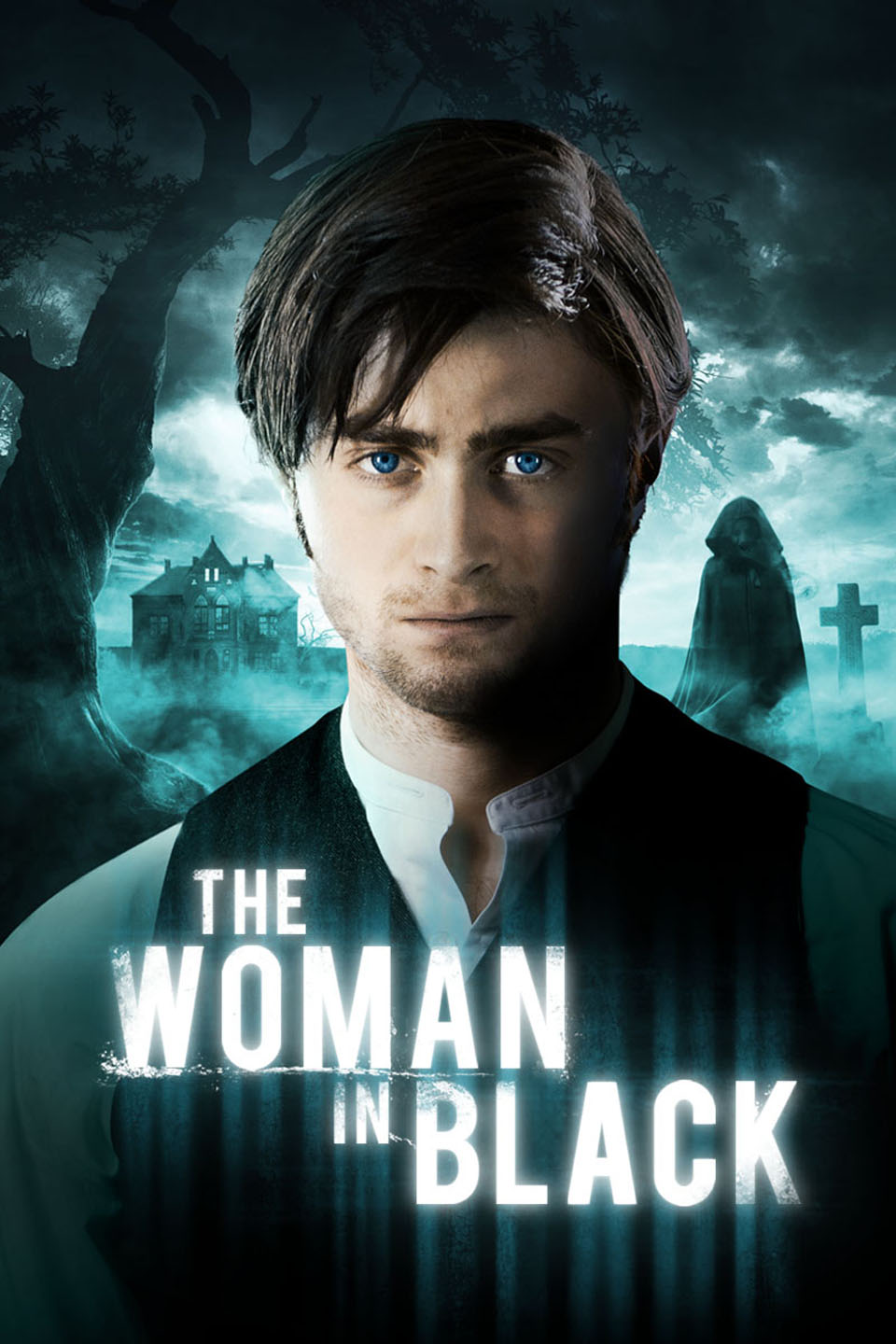 The first scenes are of titles they are promoting the companies involved
so that the audience can look for these companies if they have enjoyed the text
(media) and want to have a something to look for when researching into similar
media. There is smoky or misty behind the text that moves across the screen
this is keeping to the mood and genre.
The first scenes are of titles they are promoting the companies involved
so that the audience can look for these companies if they have enjoyed the text
(media) and want to have a something to look for when researching into similar
media. There is smoky or misty behind the text that moves across the screen
this is keeping to the mood and genre.
The establishing shot is showing the setting for the film and there is
somewhere the horror is going to happen. This shot is also showing diegetic
sound for that the character is possibly not form the area and will be the
train in this vulnerable to the surroundings as he won’t have a clear scene for
understanding of them - verisimilitude.
There is non-diegetic, contrapuntal music in This close up is and
effective shot it is a harp playing and it is peaceful it is showing that the
character is instrument but it being played with dark tired or fed up thus
vulnerable scenes and enigmatic scenery. The music, the mirrored face is also
eerie. It may be contrapuntal but it works well because it makes the scenes
creepy which is good in the genre of horror.
The establishing shot shows the building that the character will be
staying in. The audience will pick up on the aesthetics and will judge the
building on the conventional, stereotypical, perception of buildings like this
one. Which will be it’s old and therefore will have history which would point
towards the house being haunted. The trees surrounding the house would give
dark areas, blind spots in the day and at night, making the setting enigmatic.
The audience will pick all of this up and may feel uneasy and weary about the
main characters safety.
The over the shoulder shot shows that the main character is talking to
an enigmatic character on the train, the main character looks worried. This
shows to the audience that the main character is already having doubts and this
will give the audience doubts about the safety of the protagonist characters.
The over the shoulder shot shows that the character looks a little bit
smug that he has scared the main character. This will make the audience
question about what this enigmatic character knows about the building or
setting.
The establishing shots are showing how far out the building is and
journey it takes to get to it. It is in an area where if you needed help nobody
would be around to help this will be picked up by the audience and the
characters will know how vulnerable the main character is. There also has to be
a reason that it is the only property for miles and this will get the audience
thinking about that.
The close up of the cross emphasises the cross, the audience will wonder
why. Then the close up on the main characters face shows worry. Finally the
wide angle shot breaks the 180 degree rule and will freak the audience out it
also makes sure that the cross is in the scene again to emphasis it This is
weird because the audience haven't been told about the cross and will be wondering
why it is being emphasised.
The wide angle mid shot shows that main character seeing the building
for the first time. We have already seen the house but this scene makes sure we
know that the main character is arriving. Also the gates of the house have
either been rusted off the hinges thus adding history and age making the
building more enigmatic. Or they have been forced of the hinges meaning
something powerful is present. Either way the audience may pick up on this and
it will make them feel worried for the main character.
The high angle, long shot is the first time that the audience and the
main character have seen the inside of the building. The angle of the shot
gives the feeling of something watching the main character entering the house.
Also it gives of the sense of the main character being vulnerable and as if he
is being looked down on. The audience will sense this as they are also looking
down at the main character and they can feel the sense of power as they do.
This will mean they will worry about the safety of this character. This shot is
showing the audience the age of the building and the history in one shot. The
interior is dusty and the furniture etc. Is antique old and untouched. This all
gives of an enigmatic feeling because the building has therefore had plenty of
time to receive history and the are cloths over furniture meaning that it
hasn’t been touched or lived in for a while and the audience will then wonder
why it hasn’t been lived in and what has kept people from buying the building.
Sunday, 11 October 2015
R26 - Canon Camera analysis


- Record life’s special moments with high quality photos and movies
- Capture detail and ambience, even in dark conditions
- Allows you to shoot with the right settings using Scene Intelligent Auto mode
- Simple step-by-step Feature Guide and EOS Companion app
- Allows you to enhance your memories and be artistic with Creative filters
- Capture memories even as it gets dark
- Allows your to keep subjects looking sharp by placing them underneath one of the EOS 1200D’s nine focusing points.

http://www.canon.co.uk/for_home/product_finder/cameras/digital_slr/eos_1200d/#features
Saturday, 10 October 2015
R25 - Trailer analysis - Paranormal Activity 3 (2011)
Paranormal Activity 3 Movie Teaser Trailer - Textual Analysis
The Film Title: Paranormal Activity 3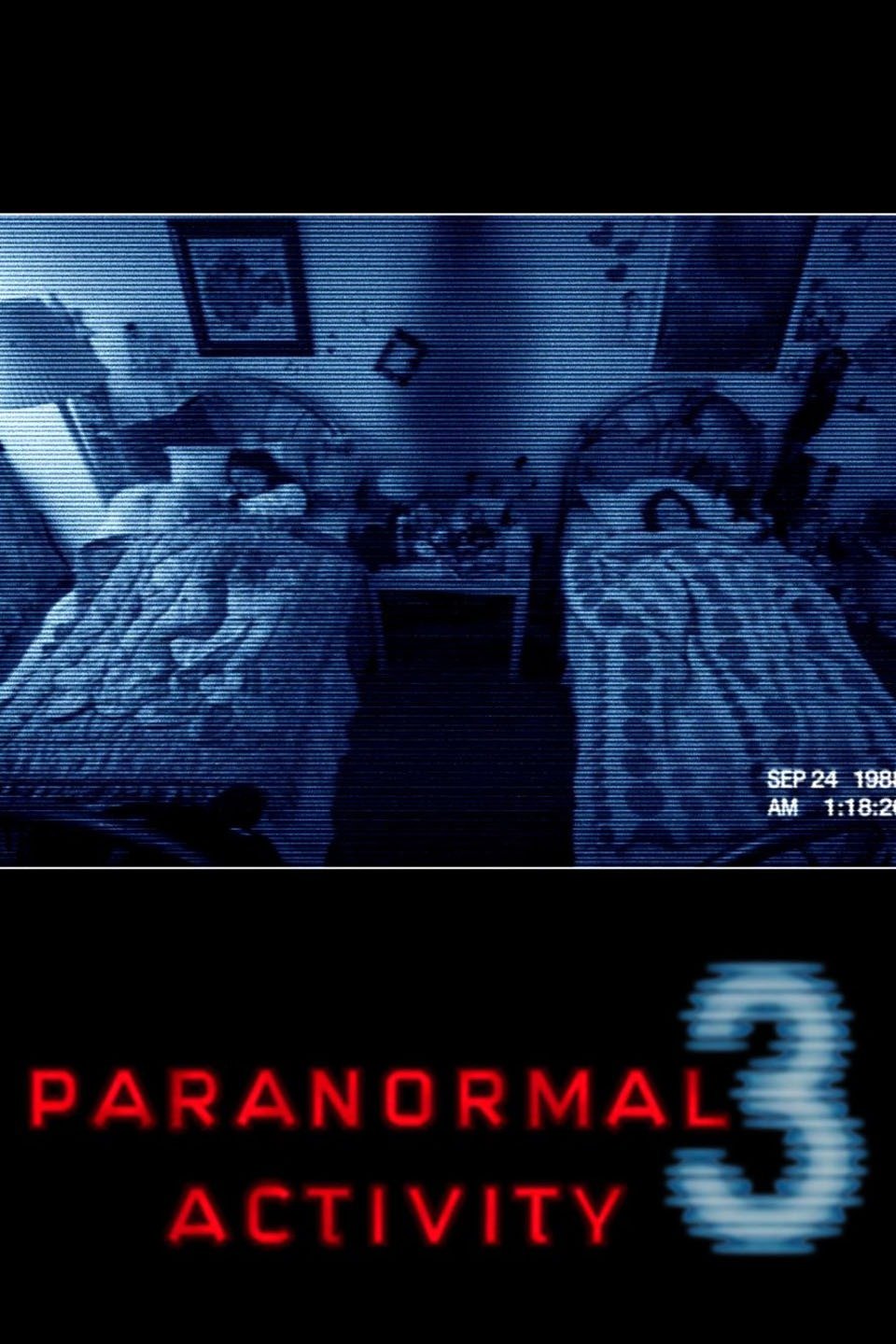 Year of release: 2011
Directors: Henry Joost and Ariel Schulman
Production/Financing Company: Paramount Pictures
Synopsis:
In 1988, strange things start to
happen, a young Katie and Kristi live with their mother, Julie, and her
boyfriend, Dennis, a wedding videographer, who decides to use his camera to
discover the strange occurrences. Kristi begins interacting with an invisible
friend named Toby.
Paranormal activity is a horror that gives out a sense of mystery, as it deals with the origin of demonic presence.
Textual Analysis
The trailer begins with slow pace clips; this is to set the narrative and draw us in to the story, the slow clips are separated by fades into no signals. This is an effective way to start the trailer as it allows us to know what the movie is about, as slow camera movements hold more information than quick ones. The narrative in the trailer is in chronological order this is evident as the camera displays the date and time, and as the trailer moves forward so does the date. However, as the trailer continues the shots become disorderly as the dates start to appear in different order; this easily creates suspense and mystery, leaving the viewer with the want to see the film.
This film is set in a house; this is a feature in many horror films. Various shots like the bathroom and the garden can indicate that the characters live comfortably; the family seem to be happy yet isolated (e.g. Sisters celebrating birthday alone), typical of American horrors, distrusting the equilibrium.
In terms of characters, the main ones are shown the attention, making us warm to them. Revealed characters include the mother, who can be represented as a damsel in distress which supports this particular genre and also the victim as she is thrown back in the trailer and trapped in the bedroom. Another character shown is the Dennis (the mother’s boyfriend) who is the videographer, he is represented as a hero that is daring as the mother and girls turn to him in their times of need, he is also a type of character normally represented in this genre. The girls are a major part of the storyline as one of them is in contact with the demonic presence, which she calls her friend; she can be represented as a helper. A man who seems to be an advisor is represented as a victim as he is targeted first. Lastly, we have the demonic presence which is a mystery and appears in various shapes and is also invisible, it is represented as the villain as it disturbs the peace.
There is no voice over present in the movie teaser trailer, but this is not needed as the diegetic sound of dialogue pretty much sums up the narrative as it is in a documentary style.
Captions are revealed in the featured trailer to give us information about the film; ‘October’ gives us the month the film come out this is to make the audience more eager on the release of the film as it is official coming, the font of the text is very documentary like, giving us an insight to the type of film. ‘Discover’ is the first caption that is written in white connoting a ghost, this connotation can be brought about by the caption, as we may have to find out what is haunting the family, which may in fact be a ghost. The following captions read ‘How the activity’ and ‘began’ which follow through from the previous caption, meaning that the audience have to watch the whole trailer to get the information. The name of the film is revealed at the end ‘Paranormal Activity 3’, which seems to be a convention of a trailer as they try to make the name of the film stick in our heads as it is at the end. The colour of the text is like the colour seen through night vision goggles, which connotes a white ghostly text.
http://mindblownproductions.weebly.com/horror-movie-trailer-textual-analysis.html
Thursday, 8 October 2015
R24 - Trailer analysis - Insidious (2010)
Insidious - Movie Trailer Textual Analysis
 The Film Title: Insidious
Year of Release: 2010
Director: James Wan
Production/financing company: Blumhouse Productions, FilmDistrict
Main Cast: Patrick Wilson, Rose Byrne, Ty Simpkins
Synopsis
A family moves into an old house and suspect paranormal activity being present. Their son then falls into what seems to be similar to a coma, although doctors aren’t sure of what to call it. His parents struggle to find out what has caused their son’s state and this struggle gets in the way of their relationship. It is then revealed to them that it is not their house that was haunted like they originally suspected, but it is their son that has been taken over by an otherworldly force.
Insidious is a
psychological thriller that focuses on the idea of demon possession,
associating both with a child as the spirit's host as well as the house
itself.
Textual Analysis
The trailer begins with slow clips, separated by fade ins and fade outs to black, split clips are put together also to provide a fast-paced and dramatic teaser. The creators have done this so that nothing is revealed, other than the high intense scenes. This keeps the viewer intrigued and wanting to know what exactly going on with this family and their house. This is a common technique in horror as a key feature is to keep things from the audience and shock them with certain plot twists whilst watching.
This feature film is set in a house which is often featured in horror films. A view of the house is also shown through an establishing shot and this reveals that the house is located in a pleasant suburban setting. The American suburbs are used commonly in horror movies as although they connote happiness, families and easy living, they have other connotations such as isolation.
Characters revealed in the trailer include a mother, her son and a woman who seems to be the 'helper' role in the film, which suggests the movie is following typical conventions of the genre.
The first ten seconds of the teaser are mostly slow paced, making sure that the audience take in the credits, with emphasis on the captions ("From the makers of Paranormal Activity"). It then straight away gains speed, becoming fast paced and cutting short clips together to increase obscurity in the audience. This contrast between very slow parts and the high-speed sections balances out the feelings of tension and anticipation against terror and disorder therefore making even the quiet scenes, exciting. The mixture of the different paces could reflect the film as it evokes both feelings of suspense and fear throughout.
As mentioned, the credits advertise the feature film by stating the already successful films the creators have made, and through big titles such as "Saw" and "Paranormal Activity", the audience then assume that this film is worth watching. Then, in bold white font, text fades in from the black background saying, "Comes a new phenomenon for a new generation"..."beyond your dreams, your imagination, and your control". All text is written giving greater importance to interest the reader on the words, "dreams", "imagination" and "control". Each of these words are very different to each other and the fact that they are emphasised may suggest that these motifs appear in the film. While 'dreams' and 'imagination' connote positive ideas and feelings, using the word 'control' after both bring negative images to the film. This leaves the audience curious how these words can be connected.
Various camera work is used through editing as it zooms into to an innocent boy sleeping deeply in a hospital bed to a concerned looking mother. As an audience, we feel we are made anxious to continue watching. There is then the use of ghost-like figures to set up the narrative as a psychological horror and this takes place in the scene with the two girls. There is little camera movement occurring in the clips but certain shots are notable and symbolic - they remain in your mind after you watch the trailer. For example, the extreme close-up of the eyes opening and the bird's eye view shot of the mother, frightened as she looks up at something which we cannot see. These images have a great effect on the viewer as we are introduced to the unknown - and what we cannot see scares us more.
Although there is non-diegetic sound involved in the trailer, silence seems to be of great importance to this trailer. There is no music soundtrack, but eerie sounds are used to produce fear and disturbance. As the credits appear, we hear atmospheric sound effects. These noises are unclear which is particularly unsettling for the audience. Perhaps these different sounds are later heard in scenes of the film and this makes you wonder about the kind of scenes that will take place. During the fast-paced scenes, we hear snippets of horrifying sounds that are unidentifiable, but cut off into silence and this disorientates us even further than the climatic parts did alone. In contrast, sounds and high pitched sounds are played over the slow paced scenes to enhance the discomfort that the characters show. After a climatic silence, creaks and ticking of the clock are used. Although these are common and harmless sounds you hear around a house it builds suspense and leads us to the scary end of the teaser.
As well as this, dialogue is used and the creators have decided to reveal quite important quotes from the film. Important quotations include the mother saying, "He's not in a coma. They don't know what to call it." This sets the film up and we get a sense of what's going on, it also introduces the theme of the supernatural. Shortly after, we hear the same character in a more desperate tone of address say, "I wanna leave. I wanna leave this house." We then make a connection with the boy's problems and the new house, again, setting the scene. The third and final quote we hear is, "It's not the house that's haunted - it's your son." By using this, the creators have already misled us and included a twist so we know the film must intensify the narrative even more. Even though there is no voice over being used, we are introduced to the storyline by the characters themselves making it seem all the more real and this enhances our fear.
Textual Analysis
The trailer begins with slow clips, separated by fade ins and fade outs to black, split clips are put together also to provide a fast-paced and dramatic teaser. The creators have done this so that nothing is revealed, other than the high intense scenes. This keeps the viewer intrigued and wanting to know what exactly going on with this family and their house. This is a common technique in horror as a key feature is to keep things from the audience and shock them with certain plot twists whilst watching.
This feature film is set in a house which is often featured in horror films. A view of the house is also shown through an establishing shot and this reveals that the house is located in a pleasant suburban setting. The American suburbs are used commonly in horror movies as although they connote happiness, families and easy living, they have other connotations such as isolation.
Characters revealed in the trailer include a mother, her son and a woman who seems to be the 'helper' role in the film, which suggests the movie is following typical conventions of the genre.
The first ten seconds of the teaser are mostly slow paced, making sure that the audience take in the credits, with emphasis on the captions ("From the makers of Paranormal Activity"). It then straight away gains speed, becoming fast paced and cutting short clips together to increase obscurity in the audience. This contrast between very slow parts and the high-speed sections balances out the feelings of tension and anticipation against terror and disorder therefore making even the quiet scenes, exciting. The mixture of the different paces could reflect the film as it evokes both feelings of suspense and fear throughout.
As mentioned, the credits advertise the feature film by stating the already successful films the creators have made, and through big titles such as "Saw" and "Paranormal Activity", the audience then assume that this film is worth watching. Then, in bold white font, text fades in from the black background saying, "Comes a new phenomenon for a new generation"..."beyond your dreams, your imagination, and your control". All text is written giving greater importance to interest the reader on the words, "dreams", "imagination" and "control". Each of these words are very different to each other and the fact that they are emphasised may suggest that these motifs appear in the film. While 'dreams' and 'imagination' connote positive ideas and feelings, using the word 'control' after both bring negative images to the film. This leaves the audience curious how these words can be connected.
Various camera work is used through editing as it zooms into to an innocent boy sleeping deeply in a hospital bed to a concerned looking mother. As an audience, we feel we are made anxious to continue watching. There is then the use of ghost-like figures to set up the narrative as a psychological horror and this takes place in the scene with the two girls. There is little camera movement occurring in the clips but certain shots are notable and symbolic - they remain in your mind after you watch the trailer. For example, the extreme close-up of the eyes opening and the bird's eye view shot of the mother, frightened as she looks up at something which we cannot see. These images have a great effect on the viewer as we are introduced to the unknown - and what we cannot see scares us more.
Although there is non-diegetic sound involved in the trailer, silence seems to be of great importance to this trailer. There is no music soundtrack, but eerie sounds are used to produce fear and disturbance. As the credits appear, we hear atmospheric sound effects. These noises are unclear which is particularly unsettling for the audience. Perhaps these different sounds are later heard in scenes of the film and this makes you wonder about the kind of scenes that will take place. During the fast-paced scenes, we hear snippets of horrifying sounds that are unidentifiable, but cut off into silence and this disorientates us even further than the climatic parts did alone. In contrast, sounds and high pitched sounds are played over the slow paced scenes to enhance the discomfort that the characters show. After a climatic silence, creaks and ticking of the clock are used. Although these are common and harmless sounds you hear around a house it builds suspense and leads us to the scary end of the teaser.
As well as this, dialogue is used and the creators have decided to reveal quite important quotes from the film. Important quotations include the mother saying, "He's not in a coma. They don't know what to call it." This sets the film up and we get a sense of what's going on, it also introduces the theme of the supernatural. Shortly after, we hear the same character in a more desperate tone of address say, "I wanna leave. I wanna leave this house." We then make a connection with the boy's problems and the new house, again, setting the scene. The third and final quote we hear is, "It's not the house that's haunted - it's your son." By using this, the creators have already misled us and included a twist so we know the film must intensify the narrative even more. Even though there is no voice over being used, we are introduced to the storyline by the characters themselves making it seem all the more real and this enhances our fear.
http://mindblownproductions.weebly.com/horror-movie-trailer-textual-analysis.html
Subscribe to:
Posts (Atom)